If you wear makeup in Ghana, you’ve probably faced this problem at least once – you apply your makeup in the morning, step outside, and within a short time, your face feels shiny, makeup starts to move, or everything just looks… off. That’s usually when people start asking; ‘Do I need setting powder or setting spray?’
Both products are used at the end of a makeup routine, and both promise to help makeup last longer. Because of that, many beginners assume they do the same thing or feel pressured to use both without really understanding why.
The truth is, setting powder and setting spray have very different roles. One helps control oil and shine, while the other helps lock makeup in place and improve how it looks on the skin.
In a hot and humid climate like Ghana’s, knowing which one to use (and when) can make a big difference in how comfortable your makeup feels and how long it lasts.
In this guide, we’ll break it down simply:
- What setting powder does
- What setting spray does
- Which one suits your skin type best
- Whether you really need both
By the end, you’ll be able to choose the right option for your routine, without overdoing it or wasting money.
What Is Setting Powder?
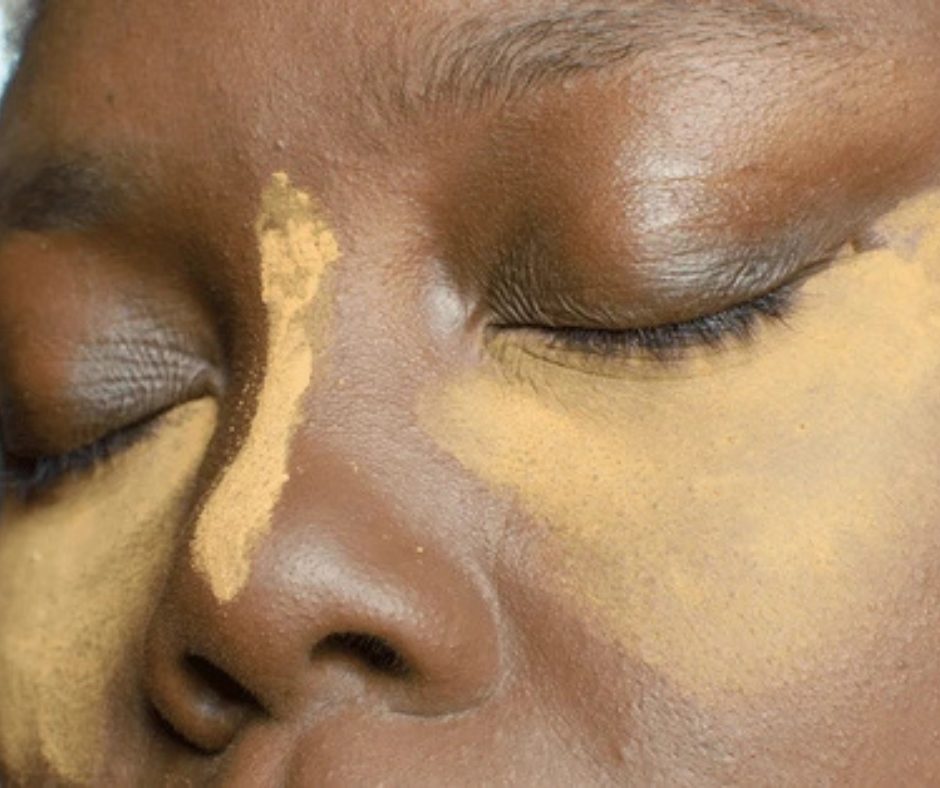
Setting powder is a makeup product used to set liquid or cream products like foundation and concealer. Its main job is to reduce shine, control oil, and help makeup stay in place for longer.
Setting powder is usually applied after foundation and concealer and before finishing touches like blush or bronzer.
What Setting Powder Does
Setting powder helps to:
- Lock foundation and concealer in place
- Absorb excess oil throughout the day
- Reduce shine, especially in the T-zone
- Create a smoother, more matte finish
This makes it especially useful for people whose makeup tends to move, crease, or look oily quickly.
Types of Setting Powder
There are two main types of setting powder:
- Loose powder
Lightweight and finely milled. Great for oil control and long wear, but best used at home rather than on the go. - Pressed powder
Compact and easy to carry. Ideal for touch-ups throughout the day.
Both types work well, the choice comes down to personal preference and lifestyle.
Who Setting Powder Is Best For
Setting powder is especially helpful for:
- Oily or acne-prone skin
- Combination skin
- Anyone who struggles with shine
- People wearing makeup for long hours
Why Setting Powder Works Well in Ghana
Heat and humidity can cause makeup to break down faster. Setting powder helps absorb sweat and oil, making it easier to keep your makeup looking fresh throughout the day – whether you’re at work, outdoors, or attending an event. Used correctly, setting powder can make a big difference in how your makeup wears without feeling heavy.
What Is Setting Spray?
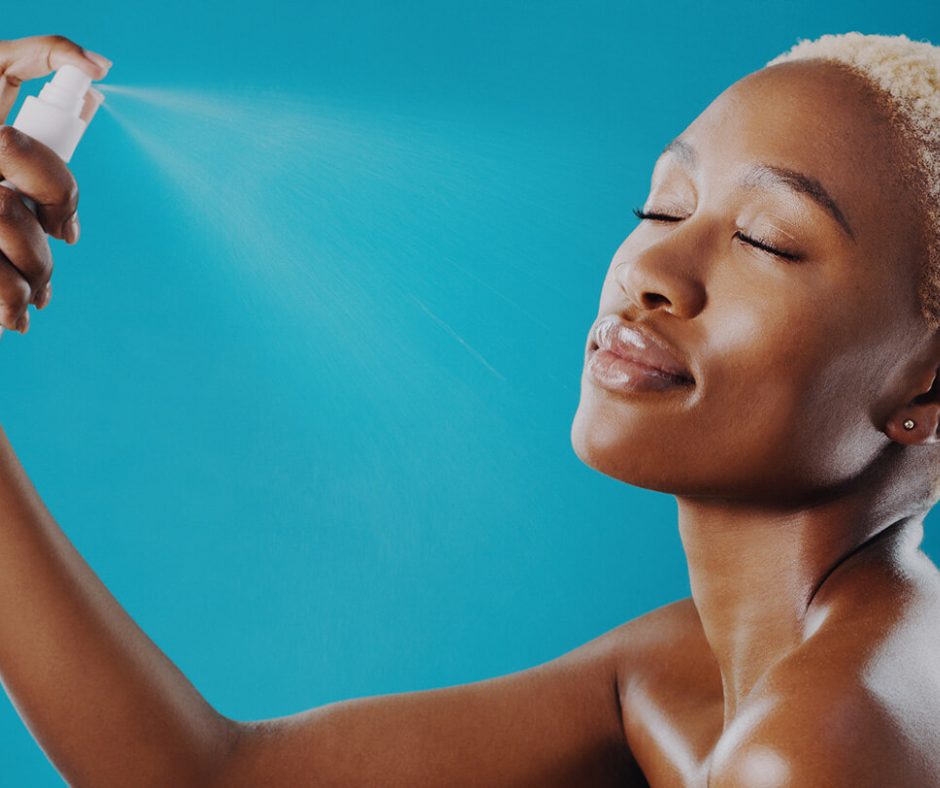
Setting spray is a liquid makeup product that’s sprayed onto the face after your makeup is finished. Its main purpose is to lock makeup in place and help everything blend together for a more natural, long-lasting finish.
Unlike setting powder, setting spray doesn’t absorb oil. Instead, it helps makeup stay put and prevents it from sliding, melting, or separating throughout the day.
What Setting Spray Does
Setting spray helps to:
- Extend the wear time of your makeup
- Reduce a cakey or powdery appearance
- Help makeup melt into the skin
- Keep makeup looking fresh for longer
Some setting sprays also contain hydrating or mattifying ingredients, depending on the formula.
Types of Setting Sprays
Setting sprays come in different finishes to suit different skin types:
- Matte setting sprays: help control shine and are great for oily skin
- Dewy or hydrating sprays: add a healthy glow and work well for dry skin
- Natural finish sprays: balance longevity without altering the finish too much
Choosing the right type makes a big difference in comfort and results.
Who Setting Spray Is Best For
Setting spray is ideal for:
- Normal to dry skin types
- Makeup that looks heavy or overly matte
- Special occasions or long days
- People who want makeup to look more natural
Why Setting Spray Is Useful in Ghana
In hot and humid weather, makeup can feel heavy or start to slide. Setting spray helps everything settle into the skin and improves how makeup wears over time; especially during events, long workdays, or photos. While it won’t stop oil completely, it plays an important role in improving how long makeup lasts and the finish.
Setting Powder vs Setting Spray: Key Differences
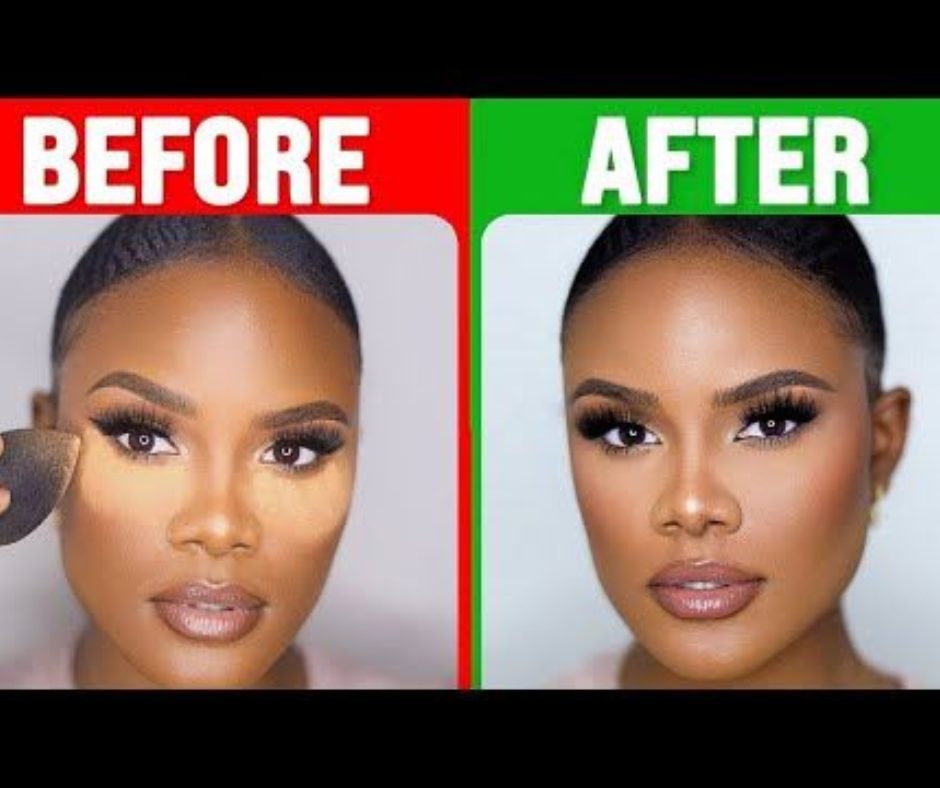
Although setting powder and setting spray are both used at the end of a makeup routine, they serve very different purposes. Understanding these differences makes it much easier to choose the right one for your skin and lifestyle.
| Feature | Setting Powder | Setting Spray |
| Texture | Fine powder (loose or pressed) | Lightweight liquid mist |
| Main purpose | Controls oil and shine | Locks makeup in place |
| Best for | Oily or combination skin | Normal to dry skin |
| Finish | Matte or soft-focus | Matte, dewy, or natural |
| Application | Applied with brush or sponge | Sprayed over finished makeup |
| Oil control | Yes | No (or minimal) |
| Longevity | Helps prevent creasing | Helps makeup last longer |
Remember, Setting powder controls oil and shine. Setting spray helps makeup stay in place. They’re not interchangeable, they do different jobs. Can One Replace the Other? This is where many beginners get confused. If you have oily skin, setting spray alone won’t control shine. And if you skip setting spray, powder alone won’t always stop your makeup from shifting.
They can be used separately or together. It depends on your skin type and how long you need your makeup to last.
Which One Should You Use Based on Your Skin Type?
The best way to decide between setting powder and setting spray is to look at your skin type and how your makeup behaves throughout the day. There’s no one-size-fits-all answer, the right choice depends on what your skin needs most.
Oily or Acne-Prone Skin
If your skin gets shiny quickly, setting powder is essential.
- Use powder to control oil and reduce shine
- Focus on oily areas like the forehead, nose, and chin
- A matte setting spray can be optional for extra hold
Best choice:
Setting powder
Optional matte setting spray
Dry Skin
Dry skin needs makeup that looks fresh, not flat.
- Too much powder can make skin look dull or flaky
- A hydrating or dewy setting spray helps makeup blend better
Best choice:
Setting spray
Minimal or no powder
Combination Skin
Combination skin benefits from a balanced approach.
- Use powder only where you get oily
- Finish with a setting spray to keep makeup in place
Best choice:
Powder (T-zone only)
Setting spray
If you’re new to makeup, it’s best to start simple. Choose one product first, learn how it works for your skin and add the second only if needed. For a beginner, your best starting point is one setting product, not both.
Understanding your skin type helps you avoid overdoing it and keeps your makeup looking comfortable all day, even in Ghana’s heat.
Do you need both? The short answer is, not always. While setting powder and setting spray are often used together by makeup artists, everyday makeup doesn’t always require both; especially if you’re aiming for comfort in Ghana’s heat.
When does using both makes sense? You may benefit from using both setting powder and setting spray if:
- You have oily or combination skin
- You’re wearing makeup for long hours
- You’re attending events like weddings or parties
- You want your makeup to last through heat and humidity
In this case, powder controls oil and shine, and setting spray locks everything in place. They work together, but each still does its own job.
When can you use just one? Using one setting product is perfectly fine if:
- You wear light or everyday makeup
- You’re running errands or going to work
- You prefer a more natural finish
- Your skin isn’t very oily
Many people find that one well-chosen product works better than layering too much. There’s No “Rule”; You don’t need to use both just because you’ve seen others do it online. The best routine is the one that feels comfortable on your skin, suits your lifestyle and works with the climate you live in. Makeup should feel wearable, not heavy.
How to Apply Correctly
Using the right product is only half the job; how you apply it makes a big difference in how your makeup looks and lasts. Here’s how to use setting powder and setting spray properly, without overdoing it.
How to Apply Setting Powder
Setting powder should be applied after foundation and concealer.
Best tips:
- Use a light hand, a little goes a long way
- Apply with a fluffy brush or makeup sponge
- Focus on oily areas like the forehead, nose, and chin
- Avoid over-powdering dry areas
If you have oily skin, you can lightly press powder into the skin rather than sweeping it on to help it last longer.
How to Apply Setting Spray
Setting spray is always applied after all makeup is complete.
Best tips:
- Hold the bottle about an arm’s length away
- Spray in an “X” or “T” motion for even coverage
- Let it air-dry, don’t rub it in
- Keep your eyes closed while spraying
Setting spray helps everything settle into the skin and removes any powdery look.
If you’re using both:
- Apply setting powder first to control oil
- Finish with setting spray to lock makeup in
This method helps makeup last longer without looking heavy. If you are a beginner, there’s no need to overload your skin. The goal is makeup that feels comfortable, looks natural, and lasts; not layers that feel thick or cakey.
Common Mistakes Beginners Makes
When it comes to setting makeup, small mistakes can make a big difference in how your makeup looks and feels, especially in hot weather. Avoiding these common errors will help your makeup last longer and look more natural.
1. Using Too Much Setting Powder
Applying too much powder can make makeup look heavy, cakey, or dull. It can also settle into fine lines and dry patches. Always start with a small amount and build only if needed.
2. Expecting Setting Spray to Control Oil
Setting spray helps lock makeup in place, but it’s not designed to absorb oil. If you have oily skin, skipping powder and relying on spray alone may leave you shiny within hours.
3. Spraying Too Close to the Face
Holding the setting spray too close can leave visible droplets or disturb your makeup. Always spray from a distance and let it dry naturally.
4. Using Matte Products on Very Dry Skin
Matte powders and sprays can emphasise dryness and texture. If your skin is dry, choose hydrating formulas and use powder sparingly.
5. Skipping Skin Prep
No setting product can fix poorly prepped skin. Clean, moisturised skin makes makeup look better and last longer.
6. Overloading Products Because of the Heat
More product doesn’t always mean better hold. Layering too many products can actually make makeup break down faster in humidity. Keeping things light and balanced usually gives the best results.
When it comes to setting your makeup, there’s no single “right” answer for everyone.
- Setting powder is best for controlling oil and shine
- Setting spray helps makeup last longer and look more natural
Some people need one, some need the other, and some may choose to use both especially in Ghana’s hot and humid climate. The key is understanding what each product does and choosing based on your skin type, comfort, and daily routine.
If you’re a beginner, remember that makeup doesn’t have to feel heavy to work. Starting simple and building gradually will always give better results than using too many products at once.
Ready to find what works best for you? Explore our range of setting powders and setting sprays, with options for oily, dry, and combination skin – perfect for everyday wear and special occasions. Browse Face Makeup Essentials here