Face masks are one of the most talked-about skincare products. From social media influencers flaunting their glowing skin post-mask to beauty brands launching new formulas every season, it’s easy to wonder – do you really need a face mask, or is it just an extra step in your routine?
The truth is, while face masks aren’t an everyday necessity, they can be a great addition to your skincare routine, offering targeted treatments for various skin concerns. Whether you’re dealing with excess oil, dehydration, dullness, or breakouts, the right mask can make a noticeable difference. But with so many types – from clay to sheet masks – it can be overwhelming to choose the right one.
In this guide, we’ll break down the different types of face masks, their benefits, and how to pick the best one for your skin type, especially in Ghana’s warm and humid climate.
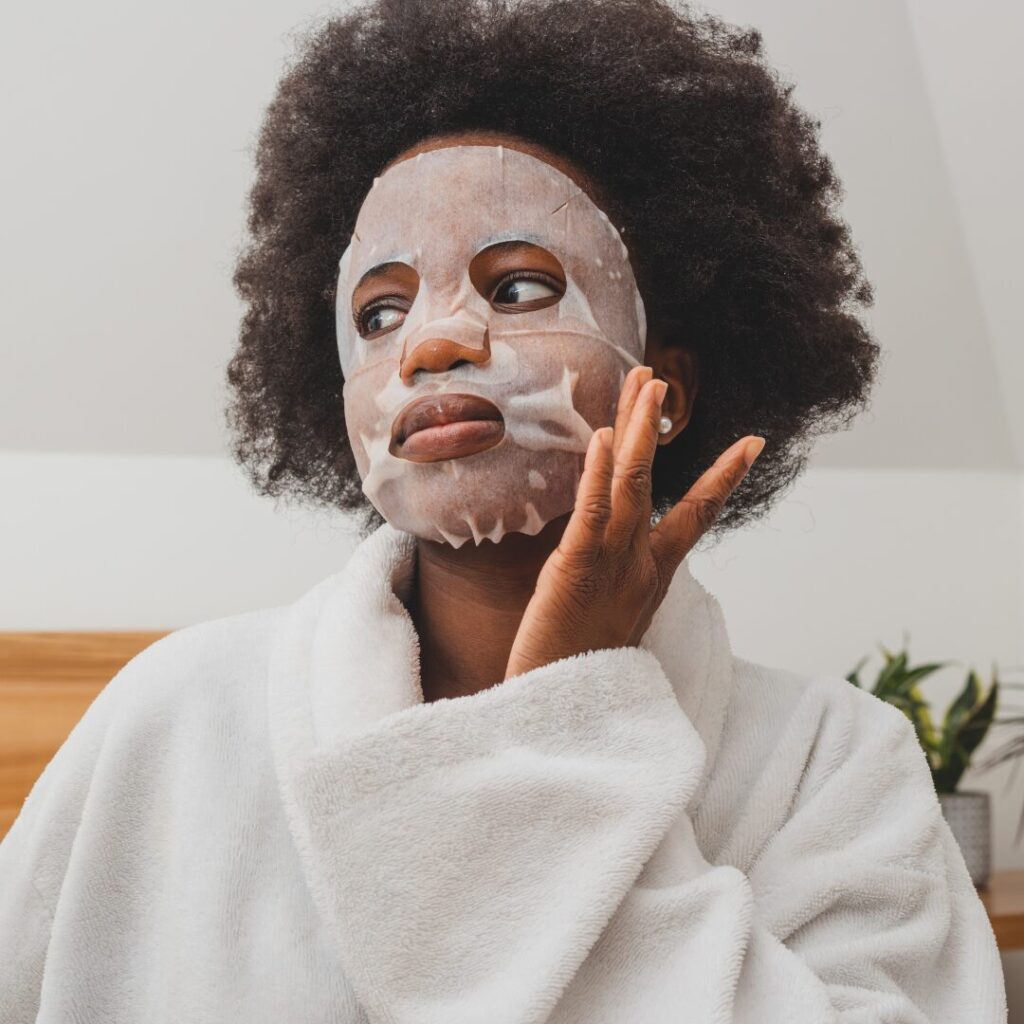
The Role of Face Masks in Skincare
Face masks are not just a skincare trend – they serve a real purpose in addressing specific skin concerns. Unlike your daily cleanser or moisturiser, masks provide an extra boost by delivering concentrated ingredients in a short period. Depending on the type of mask, they can help with:
✅ Deep cleansing – Drawing out impurities, excess oil, and debris from the skin.
✅ Hydration – Infusing the skin with moisture to combat dryness and dehydration.
✅ Brightening – Revitalising dull skin and improving radiance.
✅ Soothing – Calming irritation and reducing redness.
✅ Anti-aging – Delivering antioxidants and nutrients to maintain youthful skin.
While masks shouldn’t replace your daily routine, they can be a great addition, especially when your skin needs an extra boost.
Types of Face Masks and Their Benefits
Not all face masks are created equal! Each type targets specific skin concerns, so choosing the right one depends on what your skin needs. Here’s a breakdown of the most common types:
1. Clay Masks
Best for: Oily, acne-prone, or congested skin.
Clay masks absorb excess oil, unclog pores, and draw out impurities. They often contain ingredients like kaolin or bentonite clay, which help detoxify the skin. However, they can be drying, so they’re best used once or twice a week.
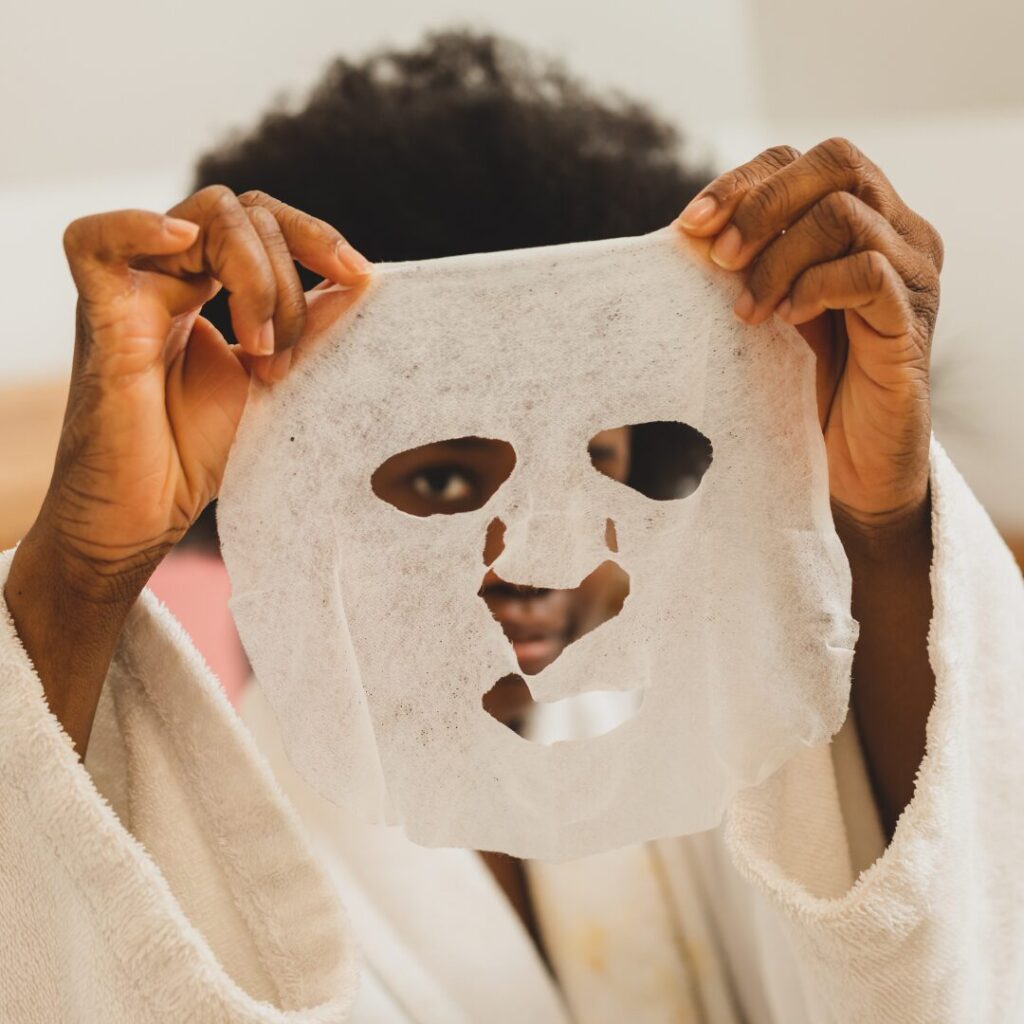
2. Sheet Masks
Best for: Dry, dehydrated, or sensitive skin.
These fabric-like masks are soaked in hydrating serums filled with ingredients like hyaluronic acid, glycerin, and vitamins. They provide an instant moisture boost, making them perfect before a special event or as a midweek skin refresh.
3. Gel Masks
Best for: Sensitive or irritated skin.
Gel-based masks are cooling and soothing, often containing aloe vera, green tea, or cucumber extract to calm inflammation and redness.
4. Cream Masks
Best for: Dry or mature skin.
These masks have a rich, nourishing formula that deeply hydrates the skin. They are packed with emollients like shea butter, oils, and ceramides to strengthen the skin barrier.
5. Exfoliating Masks
Best for: Dull or uneven skin tone.
These masks contain AHAs (alpha hydroxy acids) or BHAs (beta hydroxy acids) to gently remove dead skin cells, revealing a brighter complexion. Popular ingredients include glycolic acid, lactic acid, and salicylic acid.
6. Sleeping Masks
Best for: Anyone needing overnight hydration and repair.
Unlike traditional masks, sleeping masks are left on overnight to deeply nourish and replenish the skin while you sleep. They often contain antioxidants, peptides, and hydrating ingredients like niacinamide.
How to Choose the Right Face Mask for Your Skin Type
With so many options available, picking the right face mask can feel overwhelming. The key is understanding your skin type and its needs. Here’s how to choose the best one for you:
1. Oily & Acne-Prone Skin
Go for: Clay masks, charcoal masks, or exfoliating masks with BHAs (like salicylic acid).
Why? These help absorb excess oil, unclog pores, and reduce breakouts without over-drying the skin.
2. Dry & Dehydrated Skin
Go for: Cream masks, gel masks, or sheet masks with hydrating ingredients like hyaluronic acid and ceramides.
Why? They replenish lost moisture, strengthen the skin barrier, and leave your skin feeling soft and plump.
3. Sensitive & Irritated Skin
Go for: Gel masks or sheet masks with soothing ingredients like aloe vera, green tea, or chamomile.
Why? These calm inflammation, reduce redness, and provide hydration without irritation.
4. Combination Skin
Go for: Multi-masking – apply different masks to different areas of your face.
Why? For example, use a clay mask on oily areas like the T-zone and a hydrating mask on drier areas like the cheeks.
5. Dull or Uneven Skin Tone
Go for: Exfoliating masks with AHAs (like glycolic or lactic acid) or brightening masks with vitamin C.
Why? These help remove dead skin cells, improve skin texture, and enhance radiance.
6. Mature Skin
Go for: Sleeping masks or sheet masks rich in peptides, collagen, and antioxidants.
Why? They work overnight to improve elasticity, reduce fine lines, and keep skin firm and hydrated.
Face Masks for Ghana’s Climate: What Works Best?
Living in Ghana means dealing with heat, humidity, and sun exposure almost daily. These factors can lead to excess oil production, dehydration, and occasional breakouts, which is why choosing the right face mask is essential.
Hydration Is Key in Hot, Humid Weather
Even though Ghana’s climate can feel humid, your skin still loses moisture due to sun exposure, air conditioning, and environmental pollutants. Hydrating masks help restore moisture balance, keeping your skin plump and healthy. Look for masks with hyaluronic acid, glycerin, and aloe vera to maintain hydration.
Best Face Masks for Ghana’s Climate
- For Oily & Acne-Prone Skin
- The combination of heat and humidity can trigger excess oil production and clogged pores.
- Best choice: Clay-based masks like the Face Facts Clay Mask to absorb oil and prevent breakouts.
- For Sun-Exposed & Dehydrated Skin
- The strong Ghanaian sun can dry out the skin and cause sun damage, leading to dullness and premature ageing.
- Best choice: Hydrating sheet masks like this Hyaluronic Acid Ampoule Sheet Mask found here to replenish lost moisture.
- For Combination Skin
- If your skin is oily in some areas and dry in others, multi-masking is a great solution.
- Best choice: A mix of a charcoal mask for oily zones and a hydrating mask for dry areas. Try a Charcoal Peel-Off Mask for deep cleansing and a Hydrating Mask for moisture.
- For Sensitive Skin & Irritation
- Heat, sweat, and environmental stressors can cause redness and irritation.
- Best choice: A soothing mask with chamomile or aloe vera, to calm inflammation.
By choosing the right mask for Ghana’s climate, you can keep your skin healthy, balanced, and protected all year round.
Face masks aren’t just an extra step in your skincare routine – they’re a targeted treatment that can help address specific skin concerns, from excess oil to dehydration. By choosing the right mask for your skin type and using it correctly, you can enhance your skincare routine and achieve healthier, more radiant skin.
If you live in Ghana’s hot and humid climate, hydration and sun protection should be top priorities. Whether you need a purifying clay mask, a soothing sheet mask, or a deeply hydrating formula, My Beauty Nook has a variety of options to suit your needs.
Ready to give your skin some extra TLC? Explore our full range of face masks and find the perfect one for you.
Recommended Face Masks for Ghana’s Climate
-
Face Facts Face Mask
Original price was: ₵99.00.₵75.00Current price is: ₵75.00. -
Garnier SkinActive Hyaluronic Acid Ampoule Sheet Mask
Original price was: ₵79.00.₵75.00Current price is: ₵75.00. -
Beauty Formulas Brightening Vitamin C Facial Sheet Mask
Original price was: ₵63.00.₵50.00Current price is: ₵50.00.


