
Looking at a skincare aisle can sometimes feel like decoding a secret language. Bottles and jars are covered in labels promising to be “non-comedogenic,” “dermatologist-tested,” or “paraben-free”. But what do these terms actually mean? Are they marketing buzzwords, or do they genuinely impact your skin?
Understanding these labels is key to making informed skincare choices, ensuring you pick products that suit your skin’s needs rather than falling for clever packaging. In this guide, we’ll break down some of the most common skincare terms, demystify their meanings, and help you shop smarter, whether you’re browsing a beauty store in Ghana or shopping online.
Let’s dive in!
What Do Skincare Labels Really Mean?
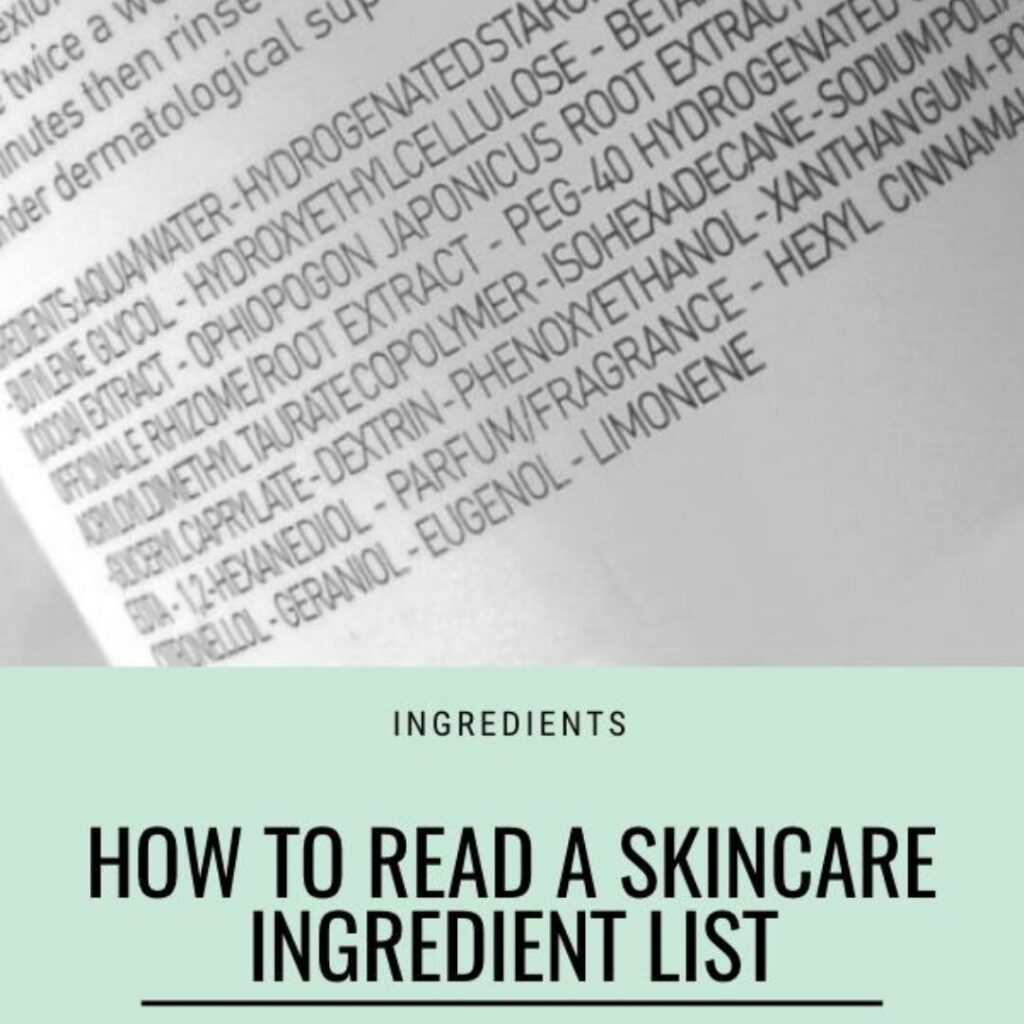
Skincare labels can be overwhelming, especially when they’re filled with scientific-sounding terms. Some words hold real value, while others might just be marketing jargon. Let’s break down the most common ones so you can make confident choices.
1. Non-Comedogenic
This means the product is formulated to not clog pores, making it ideal for oily and acne-prone skin. Comedogenic ingredients, like heavy oils or certain types of silicones, can contribute to breakouts.
If you struggle with blackheads or acne, look for this label on moisturisers, sunscreens, and foundations.
2. Fragrance-Free vs. Unscented
- Fragrance-Free: The product contains no added fragrances, natural or synthetic, making it ideal for sensitive skin.
- Unscented: The product may contain masking agents that neutralise odors but could still have fragrance compounds.
If your skin is reactive or prone to irritation, choosing truly fragrance-free products is best.
3. Dermatologist-Tested
This means the product has undergone testing with dermatologists, but it doesn’t necessarily guarantee safety for all skin types. The level of testing varies, and it doesn’t always mean the product is suitable for sensitive skin.
4. Hypoallergenic
This term suggests the product is less likely to cause allergic reactions. However, there are no strict regulations on this label, so always check ingredient lists if you have allergies.
5. Paraben-Free
Parabens are preservatives used to prevent bacterial growth in beauty products. Some people avoid them due to concerns about hormone disruption, but studies on this are still inconclusive. If you prefer paraben-free skincare, look for alternative preservatives like phenoxyethanol.
6. Alcohol-Free
Some alcohols (like denatured alcohol) can dry out your skin, while others (like cetyl alcohol) are moisturising. This label generally means the product avoids drying alcohols, making it better for sensitive or dry skin.
7. Clean Beauty
This has no universal definition but typically refers to products made without certain synthetic ingredients or harsh chemicals. Most beauty brands define “clean” in different ways, so always read the ingredient list.
8. Broad-Spectrum Sunscreen
Ensures the sunscreen protects against both UVA (aging rays) and UVB (burning rays). Remember to always choose SPF 30 or higher and reapply every two hours for effective protection.
How to Decode Skincare Labels and Make Smart Choices
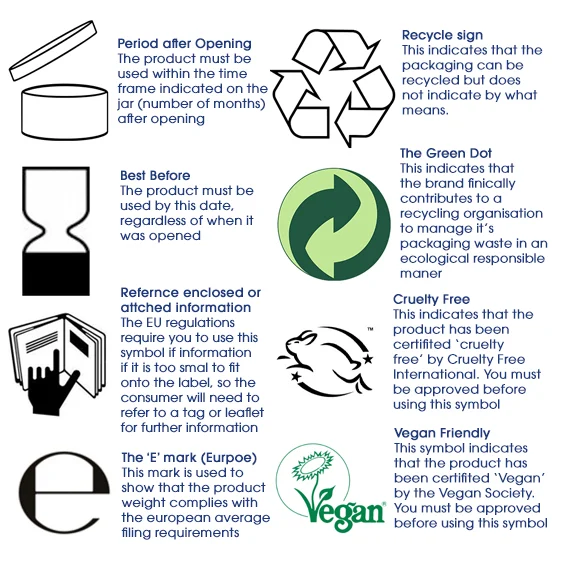
Now that you know what common skincare terms mean, how do you use this information when shopping for products? Here are some tips to help you navigate the skincare aisle with confidence:
1. Identify Your Skin Type
- If you have oily or acne-prone skin, look for non-comedogenic and oil-free products.
- Dry skin benefits from hydrating and alcohol-free formulas.
- Sensitive skin should stick to fragrance-free, hypoallergenic, and dermatologist-tested options.
2. Read the Ingredient List
- Don’t rely on labels alone, flip the product over and check the ingredients.
- Avoid known irritants like alcohol denat., artificial fragrances, and harsh sulfates if you have sensitive skin.
- Look for active ingredients that match your needs (e.g., hyaluronic acid for hydration, niacinamide for brightening, or salicylic acid for acne).
3. Don’t Fall for Marketing Hype
- Words like “natural“ and “clean beauty“ aren’t regulated, so they don’t always mean the product is safer or better.
- If a product claims to be “dermatologist-tested”, check if it has been tested on a wide range of skin types.
- Paraben-free doesn’t always mean chemical-free – alternative preservatives are still used to prevent bacterial growth.
4. Pay Attention to Sunscreen Labels
- Always choose broad-spectrum SPF 30+ to protect against both UVA and UVB rays.
- If you have oily skin, go for matte or lightweight formulas.
- If you wear makeup, consider a tinted or gel-based sunscreen for easy layering.
5. When in Doubt, Patch Test!
- Even products labeled hypoallergenic or dermatologist-tested can cause reactions. Apply a small amount on your inner arm or behind your ear and wait 24 hours before full application.
How to Navigate Skincare Labels for Ghana’s Climate
Ghana’s hot and humid climate poses unique skincare challenges, from excess oil production to dehydration and sun damage. Understanding skincare labels can help you choose products that work well in this environment.
1. Choose Lightweight, Non-Greasy Formulas
- Look for “oil-free”, “gel-based”, or “lightweight“ on moisturisers and sunscreens to avoid clogged pores in humid conditions.
- Non-comedogenic products are especially important for preventing breakouts caused by sweat and excess sebum.
2. Hydration is Key, But Avoid Heavy Creams
- Even in humid weather, skin can still get dehydrated due to air conditioning and sun exposure.
- Look for labels with “hydrating”, “water-based”, or ingredients like hyaluronic acid and glycerin instead of thick, occlusive creams.
3. Sun Protection is a Must
- Always check for “broad-spectrum” SPF to protect against both UVA (aging) and UVB (burning) rays.
- Since sweating can break down sunscreen, choose water-resistant formulas and reapply every 2 hours.
4. Be Careful with “Brightening” and “Whitening” Labels
- Some products marketed as “brightening” contain safe ingredients like vitamin C and niacinamide, which help with hyperpigmentation.
- However, avoid products with harmful bleaching agents like hydroquinone unless prescribed by a dermatologist.
Shopping for skincare in Ghana doesn’t have to be confusing! By understanding these key labels, you can confidently pick products that suit your skin type and the climate.
Understanding skincare labels is the key to making informed choices that truly benefit your skin. Whether you’re battling breakouts, dehydration, or sun damage, knowing what terms like “non-comedogenic,” “fragrance-free,” and “broad-spectrum” really mean can help you avoid skincare mishaps and get the results you want.
If you’re shopping for skincare in Ghana, always consider your skin type and the hot, humid climate. Look for lightweight, hydrating, and protective products to keep your skin healthy and glowing.
Ready to upgrade your skincare routine? Check out My Beauty Nook for trusted products tailored to your needs!