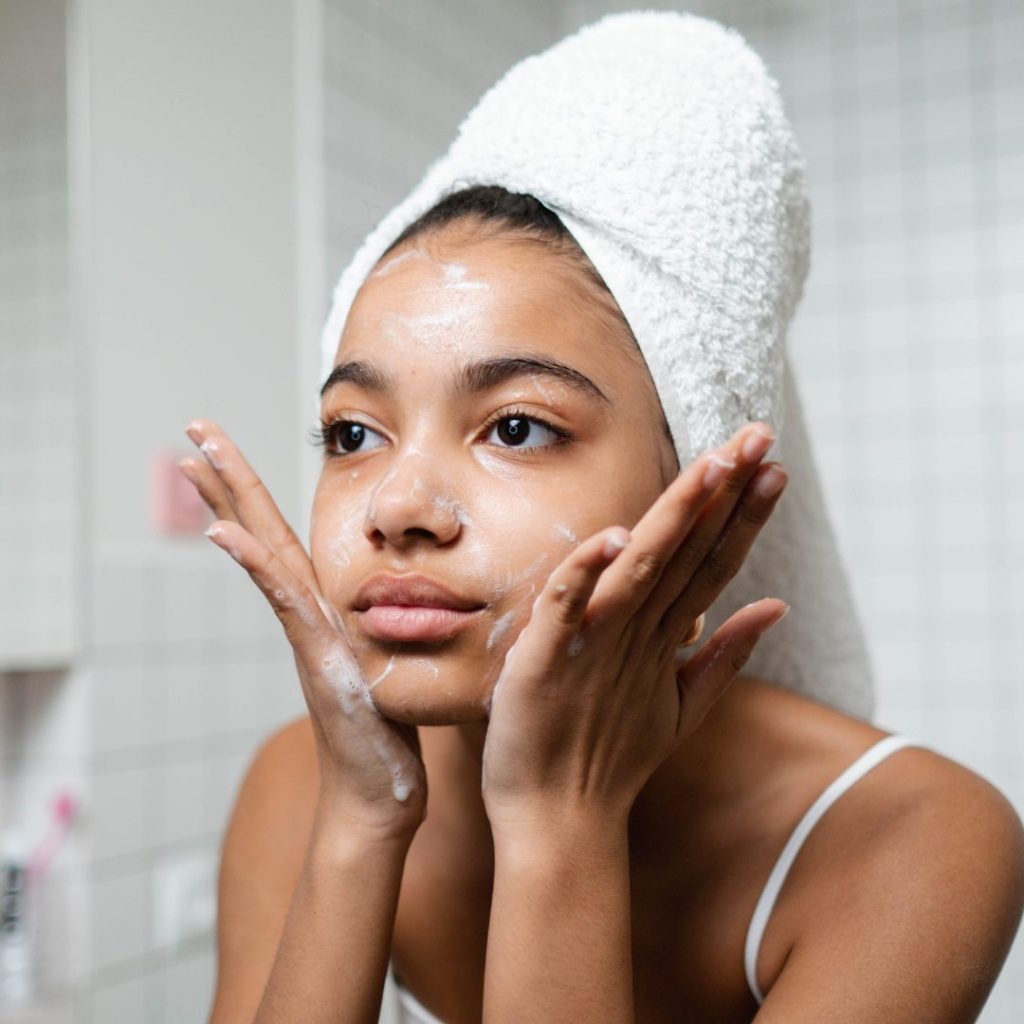
Exfoliation is one of the secrets to healthy, glowing skin, but with so many options out there, it can feel a bit overwhelming. Should you stick to a gentle scrub or dive into the world of chemical exfoliants? What’s the difference, and how do you know which one is right for your skin?
In this week’s blog, we’re breaking it all down for you. From the benefits of exfoliation to the pros and cons of chemical and physical exfoliants, we’ll help you make an informed decision tailored to your unique skincare needs. By the end, you’ll know exactly how to incorporate exfoliation into your routine for radiant, refreshed skin.
Ready to reveal your glow? Let’s get into it!
Why Exfoliation Is Important
Exfoliation is the process of removing dead skin cells from the surface of your skin. While your skin naturally sheds these cells, sometimes they linger, leading to a dull complexion, clogged pores, and uneven texture. Regular exfoliation helps reveal the fresh, healthy skin underneath and can improve the absorption of your skincare products.
Key Benefits of Exfoliation:
- Brightens Skin: Gently getting rid of dead skin cells promotes a more radiant complexion.
- Unclogs Pores: Helps reduce blackheads and breakouts by removing trapped dirt and oil in pores.
- Boosts Product Efficacy: Prepares your skin to absorb serums and moisturisers more effectively.
- Smooths Texture: Improves the overall look and feel of your skin.
Exfoliation isn’t just about looks, it’s a vital step in maintaining your skin’s health. However, not all exfoliation methods are created equal, which is why choosing the right one for your skin is so important.
The Difference Between Chemical and Physical Exfoliation
When it comes to exfoliation, there are two main methods – chemical and physical. Both aim to remove dead skin cells but do so in very different ways. Let’s break it down.
Chemical Exfoliation
This method uses active ingredients like alpha hydroxy acids (AHAs), beta hydroxy acids (BHAs), or enzymes to dissolve the bonds holding dead skin cells together. It’s a gentler option that works at a deeper level, making it ideal for tackling concerns like uneven tone, fine lines, or acne.
| Key Ingredients | Best For |
|---|---|
| AHAs: Glycolic acid, lactic acid BHAs: Salicylic acid (great for oily and acne-prone skin) Enzymes: Papaya, pineapple extracts | Sensitive skin (milder formulas) Hyperpigmentation Fine lines and wrinkles |
Physical Exfoliation
This involves using scrubs or tools to manually get rid of dead skin cells. It involves sugar or salt scrubs, brushes, or exfoliating gloves. While effective, it can sometimes be too harsh, especially for sensitive skin types.
| Common Tools | Best For |
|---|---|
| Sugar or salt scrubs Microbeads Exfoliating gloves or brushes | Rough patches like elbows and knees Normal to oily skin types |
Choosing between chemical and physical exfoliation can be tricky, especially when both have unique benefits. Here’s a closer look at the advantages and potential drawbacks of each method to help you decide.
Chemical Exfoliation
Pros:
- Gentle on Skin: When used correctly, it’s less likely to cause irritation compared to scrubs.
- Even Exfoliation: Targets the entire surface without scrubbing, making it ideal for uneven tone or texture.
- Deep Action: Penetrates deeper to address acne, hyperpigmentation, and signs of aging.
- Customisable Strength: Available in mild daily-use formulas or stronger, periodic treatments.
Cons:
- Adjustment Period: May cause slight redness or peeling initially.
- Sun Sensitivity: Increases your skin’s sensitivity to UV rays—SPF is a must!
- Not Instant: Results take time to show compared to the immediate smoothness of physical exfoliation.
Physical Exfoliation
Pros:
- Immediate Results: Provides an instant glow and smooth feel.
- Low Cost: Many options are affordable and easily accessible.
- Great for Small Areas: Ideal for rough spots like elbows or knees.
Cons:
- Risk of Over-exfoliation: Aggressive scrubbing can damage the skin barrier.
- Uneven Pressure: It’s easy to overdo it on some areas while neglecting others.
- Not Suitable for Sensitive Skin: Abrasive textures may irritate or inflame delicate skin.
Which Should You Choose?
Your decision should depend on your skin type and goals. Chemical exfoliation is better for long-term skin health and treating specific concerns, while physical exfoliation is a quick fix for smoother skin.
How to Choose the Right Method for Your Skin
Finding the ideal exfoliation method starts with understanding your skin type and concerns. Here’s how to tailor your choice to your skin’s unique needs:
Sensitive Skin
- Best Option: Gentle chemical exfoliants like lactic acid or PHA (polyhydroxy acids).
- Why: These are less likely to cause irritation or microtears.
- Tip: Use once or twice a week and patch-test products before applying them to your face.
Oily or Acne-Prone Skin
- Best Option: BHA (salicylic acid) or fine-textured physical scrubs.
- Why: BHAs penetrate deep into pores, clearing oil and debris, while physical scrubs can tackle rough patches.
- Tip: Avoid overuse to prevent drying out your skin, which can lead to rebound oil production.
Dry or Dehydrated Skin
- Best Option: Lactic acid or enzyme-based chemical exfoliants.
- Why: They gently remove dead skin cells while hydrating the skin.
- Tip: Follow up with a rich moisturiser to lock in hydration.
Normal or Combination Skin
- Best Option: You have the flexibility to use both methods. Alternate between a mild chemical exfoliant and a physical scrub.
- Why: This allows you to enjoy the benefits of both approaches without over-exfoliating.
- Tip: Adjust frequency based on how your skin feels – less is often more.
Mature or Sun-Damaged Skin
- Best Option: AHAs (glycolic acid) or a gentle enzyme exfoliant.
- Why: AHAs encourage cell turnover, softening fine lines and improving texture.
- Tip: Start with a lower concentration and work your way up to avoid irritation.
By aligning your exfoliation method with your skin type and concerns, you’ll achieve optimal results without compromising your skin’s health.
Best Practices for Exfoliation
Exfoliation can transform your skin when done correctly, but overdoing it or using the wrong techniques can lead to irritation. Follow these best practices to maximise the benefits while protecting your skin:
1. Know Your Limits
- Frequency:
- Chemical Exfoliants: 2–3 times a week for most skin types.
- Physical Exfoliants: Once a week to prevent microtears.
- Why: Over-exfoliating strips the skin’s natural barrier, leading to sensitivity, redness, and dryness.
2. Apply to Clean Skin
- Why: Exfoliation is most effective on skin free from makeup, dirt, and oil. Start with a gentle cleanser to prep your skin.
3. Be Gentle
- Physical Exfoliation: Use light, circular motions and avoid pressing too hard.
- Chemical Exfoliation: Apply a thin, even layer and let the product work without scrubbing.
4. Time It Right
- Evening Routine: Exfoliate at night to allow your skin to recover and absorb nourishing products while you sleep.
- Why: Post-exfoliation, your skin may be more sensitive to sunlight.
5. Hydrate and Protect
- Moisturiser: Follow up with a hydrating serum or moisturiser to replenish the skin’s moisture barrier.
- SPF: Always apply sunscreen to protect your newly exposed skin from sun damage.
6. Listen to Your Skin
- Signs to Watch: Redness, stinging, or peeling are indications you may need to exfoliate less frequently or switch to a gentler product.
- Adjust: Everyone’s skin tolerance is different, pay attention to how your skin reacts.
By following these simple yet effective practices, you’ll enjoy all the glow-boosting benefits of exfoliation without the drawbacks.
Finally, let’s wrap up with tips for incorporating exfoliation into your routine seamlessly.
How to Incorporate Exfoliation Into Your Routine
Adding exfoliation to your skincare routine doesn’t have to be complicated. Here’s a step-by-step guide to seamlessly include it:
1. Choose the Right Exfoliant for Your Skin Type
- Sensitive or Dry Skin: Opt for mild chemical exfoliants like lactic acid or mandelic acid. Avoid gritty physical scrubs.
- Oily or Acne-Prone Skin: Look for salicylic acid-based exfoliants or gentle physical scrubs.
- Normal or Combination Skin: You have flexibility, alternate between chemical and physical exfoliation as needed.
2. Start Slow
If you’re new to exfoliation, start with once a week and gradually increase to your skin’s tolerance level.
3. Pair Exfoliation With Complementary Products
- After exfoliating, apply products that hydrate and repair, such as hyaluronic acid or ceramide-based moisturisers.
- Avoid combining exfoliation with harsh treatments like retinol on the same day to minimise irritation.
4. Find the Best Time to Exfoliate
- Incorporate exfoliation into your nighttime skincare routine for optimal results and skin recovery.
- Ensure your skin is completely dry before applying chemical exfoliants for even application.
5. Don’t Skip SPF
Make sunscreen a non-negotiable part of your daytime routine. Exfoliation leaves your skin more vulnerable to UV damage, so SPF is essential to maintain your glow.
6. Track Your Progress
Pay attention to how your skin responds. Are you seeing a brighter complexion, smoother texture, or fewer breakouts? Adjust frequency or products as needed to maximise results.
By tailoring your exfoliation routine to your specific needs, you’ll enjoy a radiant, even-toned complexion without overwhelming your skin.
Exfoliation is a skincare game-changer, offering the key to brighter, smoother, and healthier skin. By understanding the differences between chemical and physical exfoliation, you can choose the right method tailored to your skin type and goals. Remember, balance is key and overdoing it can do more harm than good.
Whether you’re looking to fade dark spots, reduce acne, or simply achieve that lit-from-within glow, exfoliation is a step you don’t want to skip. And don’t forget, always follow up with hydration and SPF to protect and nourish your freshly exfoliated skin.
Ready to take the next step?
Take your exfoliation game to the next level! Explore our curated collection of exfoliating products. Your glow-up awaits!
-
Product on sale
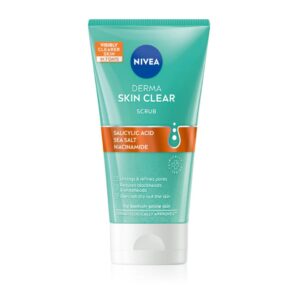 NIVEA Derma Skin Clear Anti-Blemish Face Scrub with Salicylic AcidOriginal price was: ₵148.00.₵109.00Current price is: ₵109.00.
 -
Product on sale
 Face Facts Himalayan Salt Body ScrubOriginal price was: ₵155.00.₵83.00Current price is: ₵83.00.
 -
Product on sale
 Face Facts Glow & Resurface Lactic Acid AHA Serum – 30mlOriginal price was: ₵139.00.₵85.00Current price is: ₵85.00.
 -
Product on sale
 Beauty Formulas Illuminating 10% Niacinamide Facial SerumOriginal price was: ₵155.00.₵95.00Current price is: ₵95.00.
 -
Product on sale
 Beauty Formulas Brightening Ginger & Tumeric Facial ScrubOriginal price was: ₵114.00.₵90.00Current price is: ₵90.00.
 -
Product on sale
 Beauty Formulas Brightening Vitamin C Facial ScrubOriginal price was: ₵114.00.₵90.00Current price is: ₵90.00.
 -
Product on sale
 Face Facts Barrier Repair Ceramide Serum – 30mlOriginal price was: ₵139.00.₵85.00Current price is: ₵85.00.
 -
Product on sale
 Face Facts Restore & Clarify Salicylic Acid Serum – 30mlOriginal price was: ₵139.00.₵85.00Current price is: ₵85.00.
 -
Product on sale
 L’Oreal Men Expert Hydra Energetic Deep Exfoliating Face Scrub 100mlOriginal price was: ₵176.00.₵99.00Current price is: ₵99.00.
 -
Product on sale
 NEUTROGENA® Clear & Defend 2% Salicylic Acid Face ScrubOriginal price was: ₵134.00.₵125.00Current price is: ₵125.00.
 -
Product on sale
 L’Oreal Men Expert Pure Carbon Anti-Blackhead Daily Face Scrub 100mlOriginal price was: ₵176.00.₵98.00Current price is: ₵98.00.
 -
Product on sale
 NIVEA MEN Exfoliating Face Scrub Protect & Care 75mlOriginal price was: ₵160.00.₵97.00Current price is: ₵97.00.
 -
Product on sale
 Dove Exfoliating Body ScrubOriginal price was: ₵208.00.₵110.00Current price is: ₵110.00.
 -
Product on sale
 NEUTROGENA® Blackhead Eliminating Facial ScrubOriginal price was: ₵142.00.₵119.00Current price is: ₵119.00.